A Taste of Tradition: The Role of Family Recipes in Global Cuisines

Family recipes hold a special place in kitchens around the globe, acting as a bridge between generations and a testament to cultural heritage. These treasured dishes not only reflect personal stories but also embody the history and traditions of communities. As we delve into the significance of family recipes, we uncover their role in preserving culture, strengthening familial bonds, and creating a sense of belonging.

Cooking has long been a communal activity, often centered around family gatherings and celebrations. Recipes passed down through generations carry the essence of family history, with each ingredient and technique telling a unique story. In Italian households, for instance, the preparation of pasta from scratch is a cherished tradition. Grandmothers often pass down their secrets for making the perfect dough, instilling a sense of pride in younger generations who carry on the practice. This connection to heritage not only keeps culinary traditions alive but also fosters a deeper appreciation for the effort and love that go into each meal.

In many cultures, specific dishes are prepared for holidays and celebrations, reinforcing the bond between food and family. For example, during Thanksgiving in the United States, families gather to share a feast that often includes turkey, stuffing, and pumpkin pie. Each family may have its own variation of these dishes, shaped by regional ingredients or personal preferences. These recipes become a part of family lore, shared stories of how each dish came to be. Such gatherings emphasize the importance of food as a means of connection, where generations come together to enjoy a meal steeped in tradition.

In Mexican culture, recipes like mole, a rich sauce made from a complex blend of ingredients, are often created for special occasions. Families take pride in their unique mole recipes, which may include ingredients such as chocolate, spices, and nuts. The preparation of mole can be a labor-intensive process, often involving multiple family members working together in the kitchen. This communal effort not only results in a delicious dish but also strengthens family ties, as stories and laughter fill the air while preparing a meal that celebrates their heritage.

Asian cuisines also highlight the significance of family recipes. In Chinese culture, dishes like dumplings and mooncakes are often made during family gatherings and festivals. The process of making dumplings, for example, becomes an intergenerational activity where children learn the art of folding while listening to their elders recount stories from the past. Mooncakes, traditionally enjoyed during the Mid-Autumn Festival, carry symbolic meanings, representing family unity and togetherness. Such recipes go beyond mere sustenance; they embody the values and traditions of the culture, providing a sense of identity and belonging.

In the Middle East, sharing a meal is often a communal affair, with family recipes playing a central role in these gatherings. Dishes like biryani or kebabs are prepared with care, and the recipes may vary from family to family, reflecting regional influences and personal tastes. The act of sharing food is deeply ingrained in Middle Eastern culture, symbolizing hospitality and warmth. As families come together to enjoy these traditional dishes, they reinforce their cultural identity while creating lasting memories around the table.

The importance of family recipes extends beyond cultural boundaries. In many cultures, food serves as a medium for storytelling, where each dish is imbued with personal narratives. For instance, in Eastern European cultures, recipes for comfort foods like borscht or pierogi are often tied to family history, recounting stories of migration, survival, and resilience. These dishes offer a sense of nostalgia, connecting individuals to their roots and reminding them of the sacrifices made by previous generations.

As globalization continues to shape our culinary landscape, family recipes are increasingly finding their way into mainstream cuisine. The rise of food blogs and social media platforms has allowed home cooks to share their family recipes with a wider audience. This democratization of food culture encourages the celebration of diverse culinary traditions, fostering an appreciation for the stories behind the dishes. As a result, traditional family recipes are not only preserved but also adapted and reinvented, allowing them to thrive in contemporary settings.

However, the preservation of family recipes also faces challenges in a rapidly changing world. As younger generations move away from traditional cooking methods in favor of convenience, the art of preparing family recipes may be at risk of fading. To combat this, many families are taking proactive steps to document their culinary heritage, creating family cookbooks or holding cooking workshops. By engaging younger members in the cooking process, families can instill a sense of pride and ownership in their culinary legacy, ensuring that these cherished recipes endure.

In addition to preserving culinary traditions, family recipes also foster creativity in the kitchen. As families adapt their recipes to incorporate seasonal ingredients or contemporary flavors, they create new versions of classic dishes that reflect their evolving tastes. This spirit of experimentation encourages collaboration and innovation, allowing family recipes to evolve while maintaining their essence. For instance, a traditional lasagna recipe may be reimagined with roasted vegetables or gluten-free pasta, reflecting the changing dietary preferences of family members.

The act of cooking and sharing family recipes can also serve as a therapeutic experience. Many individuals find solace in the kitchen, using cooking as a way to unwind and express their creativity. The repetitive nature of chopping vegetables or kneading dough can be meditative, offering a moment of mindfulness amid a busy lifestyle. Cooking family recipes allows individuals to connect with their heritage, finding comfort in the familiar flavors and aromas that evoke cherished memories.

Ultimately, family recipes are much more than just a collection of ingredients and instructions. They represent a connection to our past, a celebration of culture, and a means of forging relationships within families. By embracing and sharing these recipes, we honor the traditions that shape our culinary identity while creating new memories around the table. Whether it’s a cherished dessert passed down through generations or a savory dish made for special occasions, family recipes are a reminder of the love and care that go into every meal, nourishing not just our bodies but also our souls.

In conclusion, the role of family recipes in global cuisines is profound, transcending geographical boundaries and cultural differences. They embody the essence of tradition, storytelling, and connection, providing a sense of identity and belonging. As we gather around the table to enjoy the fruits of our culinary heritage, let us celebrate the rich tapestry of flavors and stories that family recipes offer, ensuring that these cherished traditions continue to thrive for generations to come.


Exploring the World of Gourmet Burgers: A Flavorful Adventure

Burgers have long been a favorite comfort food, but in recent years, the rise of gourmet burgers has transformed this classic into a canvas for culinary creativity. From artisanal ingredients to inventive flavor combinations, gourmet burgers have become a beloved option for food enthusiasts and casual diners alike. This article explores the world of gourmet burgers, offering insights into unique ingredients, preparation techniques, and creative combinations that elevate this iconic dish.

The Evolution of the Burger

The burger’s journey began in the late 19th century, originating from a simple combination of ground meat and bread. Over the decades, this humble meal evolved, gaining popularity and adapting to local tastes. Today, gourmet burgers are not just a meal but an experience, showcasing culinary innovation and local flavors. Chefs and home cooks alike have embraced this trend, leading to the emergence of diverse styles and presentations.

Key Elements of a Gourmet Burger

Creating a gourmet burger starts with selecting high-quality ingredients. The foundation is the patty, and while ground beef is traditional, many gourmet burgers feature alternative proteins such as lamb, turkey, or even plant-based options. For beef patties, choose cuts with a good balance of fat, such as chuck or brisket, to ensure juiciness and flavor. The grind should be coarse, allowing for a robust texture that holds up during cooking.

Equally important is the choice of bun. Gourmet burgers often use artisan buns, which can range from pretzel and brioche to sourdough and ciabatta. These unique buns not only enhance the burger’s flavor but also provide a sturdy base that can withstand hearty toppings without becoming soggy.

Innovative Toppings and Flavor Combinations

The toppings are where gourmet burgers truly shine. Chefs have taken the concept of toppings to new heights, incorporating a wide array of ingredients that reflect global culinary influences. Instead of the traditional lettuce, tomato, and onion, gourmet burgers may feature toppings like caramelized onions, roasted garlic aioli, or pickled jalapeños.

For a unique twist, consider adding unexpected ingredients. Blue cheese or goat cheese can lend a rich creaminess, while sautéed mushrooms add an earthy depth. Some gourmet burgers even include fried egg, avocado, or crispy bacon to create layers of flavor and texture.

Sauces play a crucial role in tying together the various elements of a gourmet burger. While classic condiments like ketchup and mustard are still popular, many gourmet options feature homemade sauces that can elevate the overall taste. Think spicy sriracha mayo, tangy barbecue sauce, or even a balsamic reduction to add sweetness and acidity.

Creative Regional Variations

One of the most exciting aspects of gourmet burgers is the regional variations that reflect local flavors and traditions. For instance, the Southern-inspired burger might come topped with pimento cheese and fried green tomatoes, while a Hawaiian burger could feature grilled pineapple and teriyaki sauce. These creative combinations not only offer a taste of different cultures but also allow chefs to showcase their creativity.

In addition to regional influences, international cuisines have inspired numerous gourmet burger styles. A Mediterranean burger might include lamb patties topped with tzatziki sauce and feta cheese, while an Asian-inspired burger could feature teriyaki-glazed chicken with pickled vegetables and sesame aioli. This blending of flavors makes gourmet burgers a diverse and exciting dining option.

Perfecting the Cooking Technique

The cooking method can greatly influence the outcome of a gourmet burger. While grilling is the classic approach, other techniques like pan-searing or broiling can also yield excellent results. For a perfectly cooked burger, preheat your grill or pan to high heat, allowing the meat to sear quickly, which locks in juices and creates a flavorful crust. Cooking times may vary based on the thickness of the patty and your desired level of doneness, so using a meat thermometer is recommended to ensure accuracy.

Once the patties are cooked, it’s essential to let them rest for a few minutes. This resting period allows the juices to redistribute throughout the meat, resulting in a juicier and more flavorful burger. During this time, you can prepare the toppings and sauces, ensuring everything is ready for assembly.

Assembling the Ultimate Gourmet Burger

When it comes to assembling a gourmet burger, presentation matters just as much as flavor. Start with a toasted bun to add texture and prevent sogginess. Begin layering with the patty, followed by your choice of cheese, allowing it to melt slightly. Then, add your selected toppings and drizzle with sauce, finishing with the top bun.

Don’t forget the garnish! A sprig of fresh herbs, like parsley or cilantro, can add a pop of color and freshness. Additionally, serving your gourmet burger with a side of hand-cut fries, sweet potato wedges, or a light salad can enhance the dining experience.

Pairing Sides and Beverages

The right sides and beverages can elevate your gourmet burger experience even further. Classic accompaniments like french fries or onion rings are always a hit, but consider offering unique sides such as truffle fries, coleslaw, or even a grilled vegetable platter to complement the burger’s flavors.

For beverages, craft beers are a popular choice, with hoppy IPAs or rich stouts pairing wonderfully with the rich flavors of a gourmet burger. If you prefer non-alcoholic options, consider serving refreshing iced tea, sparkling lemonade, or even a fruit-infused soda to cleanse the palate between bites.

The Joy of Burger Crafting

Crafting gourmet burgers is not only a culinary adventure but also a fun activity to share with friends and family. Organizing a burger night allows everyone to get creative with their toppings and flavors, fostering a sense of community around the dining table. It’s a chance to experiment, taste new combinations, and enjoy the process of creating something delicious together.

Conclusion

The world of gourmet burgers is vast and filled with possibilities, inviting culinary enthusiasts to explore flavors and techniques. With high-quality ingredients, innovative toppings, and creative cooking methods, anyone can craft a burger that delights the senses. As you embark on your gourmet burger journey, remember that the best burgers are those made with passion and creativity. So gather your ingredients, unleash your imagination, and savor the joy of creating the ultimate gourmet burger.

Juicing for Joy: Discovering the Benefits and Bliss of Fresh Juices

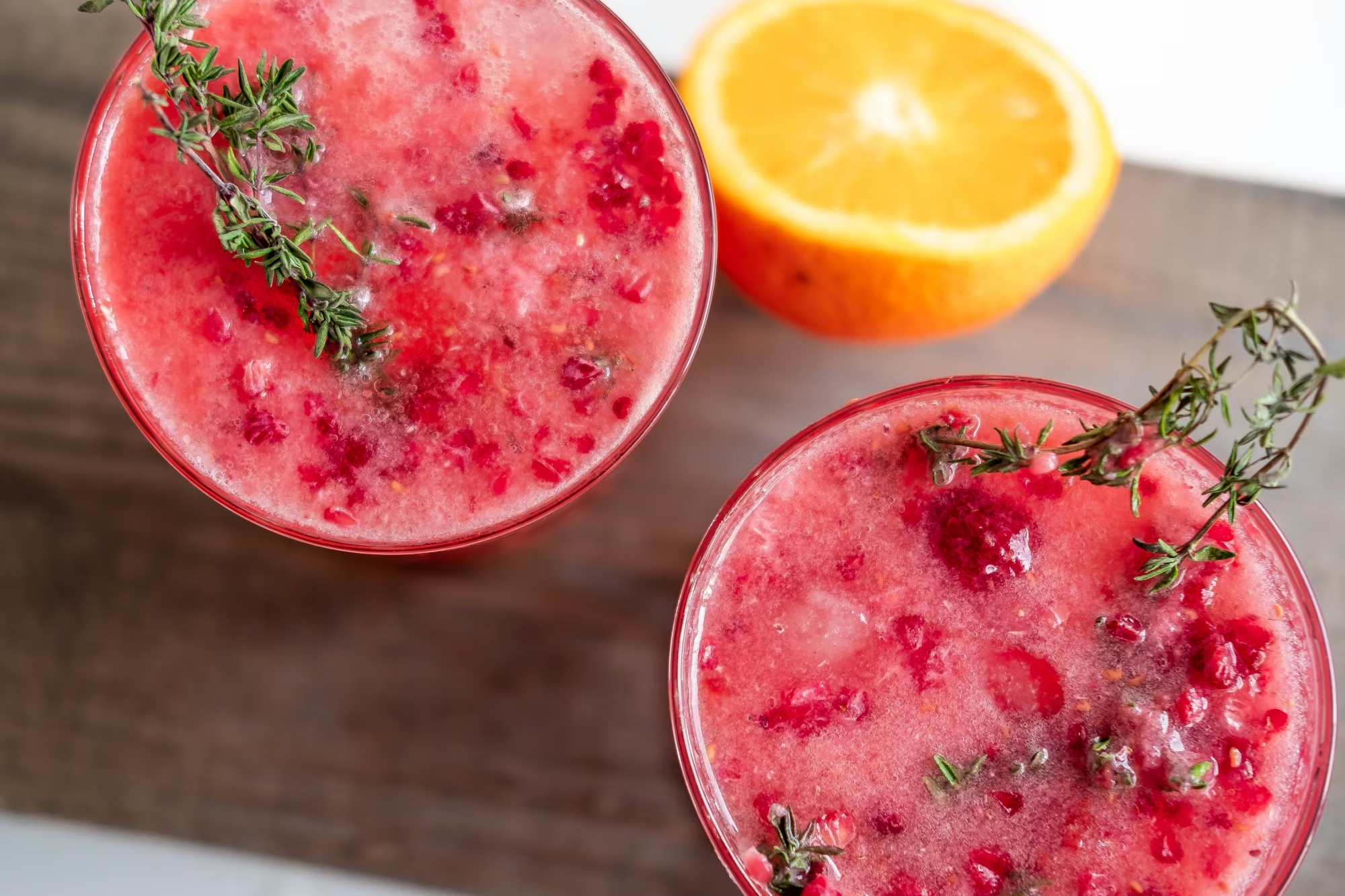
Juicing has become a vibrant trend that captivates both health enthusiasts and culinary adventurers alike. The practice of extracting fresh juices from fruits and vegetables not only enhances our diets but also provides a delicious way to enjoy the natural flavors of whole foods. This article explores the many benefits of fresh juices, offers delightful recipes, and highlights the joy of creating unique blends at home. One of the most significant advantages of juicing is the ability to consume a wide array of nutrients in a single glass. Fresh juices are a concentrated source of vitamins, minerals, and antioxidants that are essential for maintaining overall health. For instance, a glass of fresh orange juice is renowned for its vitamin C content, which supports the immune system and promotes healthy skin. Similarly, green juices made from leafy vegetables like spinach and kale are packed with nutrients that contribute to vitality and wellness. The process of juicing allows for creative combinations that cater to various tastes and preferences. For those with a sweet tooth, fruit-based juices are a fantastic choice. A classic blend of apples, oranges, and carrots creates a naturally sweet and refreshing drink that is perfect for breakfast or as a midday pick-me-up. The sweetness of the apples pairs harmoniously with the citrus notes of the oranges, while carrots add a delightful earthy undertone. This trio not only tastes great but also provides a boost of energy to start the day. On the other hand, those seeking a more savory experience can enjoy vegetable juices that offer a unique flavor profile. A combination of tomatoes, cucumbers, and bell peppers creates a refreshing gazpacho-inspired juice that is perfect for warm weather. This blend is hydrating and packed with vitamins, making it an ideal choice for hydration during hot summer days. Adding a splash of lemon juice or a hint of fresh herbs like basil or parsley can elevate the flavor even further, creating a sophisticated drink that impresses guests at any gathering. Exploring seasonal ingredients is another way to enhance your juicing experience. Using fruits and vegetables that are in season ensures maximum freshness and flavor. In spring, for instance, vibrant strawberries, rhubarb, and asparagus can be used to craft delightful juices. A strawberry-rhubarb juice, combined with a hint of mint, captures the essence of the season while offering a tart and sweet flavor that is simply irresistible. In contrast, fall brings an abundance of apples, pears, and pumpkins, providing endless opportunities for warming juice blends. A spiced apple-pear juice, infused with cinnamon and nutmeg, creates a cozy beverage that warms the soul as the days grow shorter. The joy of juicing extends beyond flavor; it also allows for experimentation and creativity. Home juicers can explore various flavor combinations, adjusting sweetness and acidity to suit personal preferences. For example, adding a slice of ginger or a squeeze of lime can introduce an exciting zing to any juice, transforming a simple recipe into something extraordinary. Don’t shy away from experimenting with unexpected ingredients, such as beets or turmeric, which can enhance the nutritional content and provide a beautiful color to your blends. Another exciting aspect of juicing is the opportunity to incorporate superfoods into your recipes. Ingredients like chia seeds, spirulina, or acai berries can be easily added to your juices to amplify their nutritional value. Chia seeds, for example, not only provide a dose of omega-3 fatty acids but also add a fun texture to your drink. A green smoothie made with spinach, banana, and a tablespoon of chia seeds offers a deliciously creamy consistency while packing a powerful nutritional punch. Juicing also serves as a wonderful way to introduce more fruits and vegetables into your diet, particularly for those who may struggle to meet their daily intake. For parents, making colorful juices can be a fun and engaging way to encourage children to consume more produce. Brightly colored juices can captivate young ones, and mixing in a variety of flavors makes it easier to mask any ingredients they might typically avoid. A vibrant berry juice, for example, can be made with a blend of strawberries, blueberries, and a splash of orange juice, creating a tasty treat that is both enjoyable and nutritious. Beyond the health benefits and delightful flavors, juicing can be a therapeutic and calming activity. The act of preparing fresh juices, selecting colorful ingredients, and watching them transform into a beautiful drink can be incredibly satisfying. Many people find that taking the time to juice allows them to reconnect with their food and embrace the simplicity of nourishing their bodies with fresh ingredients. Setting aside a few moments each day to enjoy the juicing process can cultivate mindfulness and joy, contributing to overall well-being. As you embark on your juicing journey, it’s important to consider the best equipment for your needs. There are various types of juicers available, from centrifugal to masticating models, each offering different benefits. Centrifugal juicers are typically faster and easier to clean, while masticating juicers tend to extract more juice and preserve nutrients better. Choosing the right juicer depends on personal preferences and how often you plan to juice. Investing in a quality juicer can greatly enhance your experience and the quality of your blends. Additionally, remember that while fresh juices are a wonderful addition to your diet, they should be consumed in moderation as part of a balanced meal plan. Juices are often high in natural sugars, so it’s beneficial to include a variety of whole fruits and vegetables in your diet as well. This balanced approach allows you to enjoy the benefits of juicing while ensuring that you are also getting essential fiber and nutrients from whole foods. In conclusion, the world of fresh juices is a delightful and rewarding experience that offers countless benefits. From nourishing your body with essential vitamins to enjoying creative flavor combinations, juicing brings joy and satisfaction to our lives. Whether you’re sipping on a refreshing berry blend or savoring a savory vegetable concoction, fresh juices allow you to celebrate the natural flavors of fruits and vegetables while enhancing your overall well-being. So, gather your favorite ingredients, unleash your creativity, and embark on your own juicing adventure today!

Exploring the World of Pies and Tarts: A Culinary Delight

Pies and tarts are more than just delicious desserts; they are culinary expressions steeped in history and tradition. From flaky crusts to sweet or savory fillings, these delightful treats have captured the hearts of many and have become staples in kitchens around the world. This article explores the fascinating journey of pies and tarts, their diverse varieties, and the techniques that make them such beloved dishes. The origins of pies can be traced back to ancient civilizations. The earliest pies were made by the Egyptians, who created a type of pastry to encase meat and other fillings. This concept was later adopted by the Greeks and Romans, who filled their pastry with fruits, meats, and various herbs. As the art of pie-making spread across Europe, different regions developed their own unique styles and fillings. By the Middle Ages, pies were a common feature on the tables of nobility, often elaborately decorated and filled with rich ingredients to impress guests. Today, pies have evolved into countless varieties, with sweet and savory options available to satisfy every palate. One of the most iconic sweet pies is the apple pie, often associated with American culture. The combination of tart apples, cinnamon, and a flaky crust creates a comforting and nostalgic dessert that is enjoyed year-round. The tradition of serving apple pie at family gatherings and holidays has solidified its place as a symbol of home and warmth. In contrast, savory pies, such as meat pies or pot pies, offer a hearty and satisfying meal option. These pies often feature fillings of seasoned meats, vegetables, and gravy, all encased in a golden, flaky crust. The combination of flavors and textures makes savory pies a beloved comfort food in many cultures. Tarts, on the other hand, are similar to pies but typically have a shallower crust and are often open-faced. One of the most popular types of tarts is the fruit tart, which showcases fresh, seasonal fruits arranged beautifully atop a creamy custard or pastry cream filling. The crisp crust paired with the vibrant flavors of the fruit creates a visually stunning and delicious dessert. Tarts can also be made with rich chocolate ganache, nuts, or even savory ingredients like cheese and vegetables, offering endless possibilities for creativity in the kitchen. As we delve deeper into the world of pies and tarts, it’s essential to discuss the importance of the crust. A well-made crust is the foundation of any successful pie or tart. There are various methods for creating crusts, with the two most common being flaky and crumb crusts. Flaky crusts are typically made with cold butter or shortening cut into flour, resulting in a light, tender texture. On the other hand, crumb crusts are made from crushed cookies or graham crackers mixed with butter, creating a sweet and crunchy base, perfect for cheesecakes and some fruit tarts. Mastering the art of making pie and tart crusts requires practice and patience. Understanding the importance of ingredient temperature, mixing methods, and resting time can significantly impact the final product. A common tip is to keep all ingredients cold and handle the dough as little as possible to ensure a tender, flaky crust. Pies and tarts also play a significant role in cultural traditions and celebrations. In many countries, specific pies and tarts are associated with holidays and special occasions. For instance, pumpkin pie is a staple during Thanksgiving in the United States, symbolizing the harvest and the joy of family gatherings. In the UK, mince pies are traditionally enjoyed during the Christmas season, filled with a mixture of dried fruits and spices that evoke the flavors of the holidays. These culinary traditions not only bring people together but also connect generations through shared recipes and memories. As the popularity of pies and tarts continues to grow, so does the trend of creative fillings and flavor combinations. Bakers are now experimenting with unique ingredients such as exotic fruits, spices, and even savory flavors in desserts. Matcha green tea tarts, salted caramel pies, and even savory tarts with ingredients like goat cheese and roasted vegetables are becoming increasingly popular. This culinary creativity reflects the evolving tastes and preferences of consumers, pushing bakers to innovate while respecting traditional techniques. In recent years, the rise of gluten-free and vegan options has also made pies and tarts more accessible to a broader audience. Many bakers are finding ways to create delicious crusts and fillings without traditional ingredients, allowing everyone to enjoy these delightful treats. The use of alternative flours, plant-based butters, and natural sweeteners has opened up new avenues for flavor and texture, ensuring that pies and tarts remain a beloved dessert for all. In conclusion, pies and tarts are much more than simple desserts; they are rich in history, culture, and creativity. From the comforting flavors of a classic apple pie to the artistic presentation of a fruit tart, these culinary delights continue to capture our imaginations and taste buds. Whether you are celebrating a special occasion or simply indulging in a sweet treat, pies and tarts offer endless possibilities for enjoyment and connection. So gather your ingredients, roll out your dough, and embark on your own pie and tart-making adventure, discovering the joy that lies within each delicious bite.

Exploring Global Cuisine: A Culinary Adventure

Cuisine is a reflection of culture, history, and geography, offering a rich tapestry of flavors, ingredients, and cooking techniques that vary widely around the world. From the spicy streets of Bangkok to the rustic kitchens of Tuscany, the culinary arts connect people through shared experiences and cherished traditions. In this article, we will delve into several global cuisines, highlighting their unique characteristics, iconic dishes, and the cultural significance behind them.

Asian Cuisine: A Symphony of Flavors
Asian cuisine is incredibly diverse, encompassing a vast range of flavors, textures, and cooking methods. Each region offers its own unique dishes that reflect the local ingredients and cultural heritage. For instance, in Thailand, the vibrant street food scene features dishes like Pad Thai, a stir-fried noodle dish that combines sweet, sour, and savory flavors, often garnished with peanuts and lime. Another beloved Thai dish is Tom Yum, a hot and sour soup packed with fresh herbs, shrimp, and spices that awaken the palate.

Japanese cuisine, known for its precision and artistry, highlights fresh ingredients and beautiful presentation. Sushi, perhaps the most famous Japanese dish, consists of vinegared rice paired with various toppings, including raw fish, vegetables, and seaweed. Ramen, a noodle soup that has gained worldwide popularity, showcases the depth of flavor achieved through slow-cooked broths and an array of toppings. The simplicity of a well-crafted bowl of miso soup or a delicate matcha tea also exemplifies the Japanese philosophy of appreciating the natural taste of ingredients.

Mediterranean Cuisine: A Celebration of Freshness
Mediterranean cuisine, encompassing countries like Italy, Greece, and Spain, is celebrated for its emphasis on fresh, high-quality ingredients and vibrant flavors. Olive oil, herbs, and vegetables are staples, forming the foundation of many dishes. In Italy, pasta dishes such as spaghetti aglio e olio highlight the beauty of simplicity, with just a few ingredients coming together to create something truly delicious. The iconic pizza, originating from Naples, features a thin crust topped with tomatoes, mozzarella, and fresh basil, showcasing the importance of fresh ingredients.

Greek cuisine boasts dishes like moussaka, a layered casserole made with eggplant, minced meat, and béchamel sauce, while tzatziki, a refreshing yogurt and cucumber dip, complements many meals. In Spain, tapas culture encourages sharing small plates, allowing diners to experience a variety of flavors. Dishes like patatas bravas, fried potatoes with spicy tomato sauce, and gambas al ajillo, garlic shrimp, showcase the bold and vibrant flavors of Spanish cooking.

Middle Eastern Cuisine: A Rich Tapestry of Tastes
Middle Eastern cuisine is characterized by its use of spices, herbs, and aromatic ingredients. Countries like Lebanon, Turkey, and Iran offer an array of flavors that reflect their rich cultural histories. Hummus, a creamy dip made from blended chickpeas, tahini, lemon juice, and garlic, is a staple in many Middle Eastern meals, often served with warm pita bread. Falafel, deep-fried balls made from ground chickpeas and herbs, provide a delightful crunch and are a popular street food.

Kebabs, marinated meat skewers grilled to perfection, come in various forms across the region, with each country putting its own spin on the dish. In Turkey, döner kebab features meat cooked on a vertical rotisserie, while Iran boasts its own version, known as kebab koobideh, made from ground meat and spices. Persian rice dishes, such as saffron-infused tahdig, highlight the importance of rice in Iranian cuisine, often served alongside stews that burst with flavor.

Latin American Cuisine: A Flavorful Fusion
Latin American cuisine is a vibrant blend of indigenous ingredients and cultural influences from Europe, Africa, and Asia. Countries like Mexico, Brazil, and Argentina showcase a rich diversity of flavors and cooking methods. In Mexico, dishes like tacos and enchiladas highlight the versatility of corn tortillas, filled with an array of ingredients, from spicy meats to fresh vegetables, and topped with salsas that range from mild to fiery.

Argentinian cuisine is famous for its grilled meats, particularly asado, a traditional barbecue that brings family and friends together. The use of chimichurri sauce, a vibrant blend of herbs, garlic, and vinegar, adds a flavorful kick to grilled dishes. Brazilian cuisine, on the other hand, features feijoada, a hearty black bean stew with pork, reflecting the country’s rich culinary history.

African Cuisine: A Tapestry of Traditions
African cuisine is incredibly diverse, reflecting the continent’s various cultures and climates. From North Africa’s tagines to West Africa’s jollof rice, each dish tells a story of its origins. In Morocco, tagine, a slow-cooked stew named after the earthenware pot in which it is prepared, features tender meats, vegetables, and fragrant spices like cumin and saffron, creating a rich and aromatic dish.

In West Africa, jollof rice is a beloved party dish, made with rice cooked in a spicy tomato sauce and often accompanied by chicken or fish. This dish has sparked friendly rivalries between countries, each claiming to have the best recipe. Injera, a sourdough flatbread from Ethiopia, serves as both a plate and utensil, often served with a variety of spicy stews known as wats.

The Sweet Side of Global Cuisine
No exploration of global cuisine would be complete without mentioning desserts, which offer a sweet finale to meals. Each region boasts its own traditional sweets that reflect local ingredients and culinary traditions. In France, pastries like macarons and éclairs showcase the artistry of French baking, while crème brûlée delights with its creamy custard and caramelized sugar crust.

Italian desserts such as tiramisu and panna cotta offer a rich and indulgent end to a meal, often featuring coffee or fresh fruits. In Asia, sweets like mochi, a chewy rice cake, and mango sticky rice, combine textures and flavors that are uniquely satisfying. Middle Eastern desserts, such as baklava, layers of filo pastry filled with nuts and honey, provide a sweet and crunchy treat that is hard to resist.

Culinary Techniques: The Heart of Cooking
Understanding the techniques behind cooking is essential to mastering any cuisine. Different cultures employ various methods, from grilling and steaming to braising and baking, each contributing to the unique flavors and textures of the dishes. For instance, stir-frying, a quick cooking method used in Asian cuisine, retains the crispness of vegetables while infusing them with bold flavors from sauces and spices.

In contrast, slow-cooking methods, such as braising, are often employed in Mediterranean and Middle Eastern dishes, allowing flavors to meld and develop richness over time. Grilling, a popular technique in Latin American and African cuisines, imparts a smoky flavor that enhances the natural taste of meats and vegetables.

Conclusion: A Global Culinary Journey
Exploring global cuisine is not just about tasting different foods; it’s about understanding the cultural stories behind each dish. Every recipe carries with it the history and traditions of its people, connecting us through shared flavors and experiences. Whether you’re savoring a bowl of ramen in Japan or enjoying a plate of pasta in Italy, each bite is a reminder of the beauty of culinary diversity.

As we continue to explore and appreciate the vast array of global cuisines, we foster a greater understanding of the world and its people. Embrace the flavors, techniques, and traditions that shape our culinary landscape, and let each meal be an opportunity to celebrate the art of cooking.

A Sweet Odyssey: Exploring Global Dessert Traditions

Desserts are the sweet punctuation marks at the end of meals, offering a moment of joy and indulgence that transcends cultures. Every corner of the globe boasts its own unique treats, often steeped in tradition and history. This article takes you on a delightful journey through various global desserts, showcasing their flavors, origins, and the cultural narratives they embody. From decadent cakes to refreshing frozen treats, we celebrate the artistry and creativity found in dessert-making.

Our journey begins in the enchanting land of France, home to some of the most exquisite pastries in the world. Among these is the famous éclair, a delicate pastry filled with creamy custard and topped with glossy chocolate icing. The éclair has a rich history dating back to the 19th century and is often enjoyed with a cup of coffee or tea. The balance of the crisp pastry, the velvety filling, and the sweet glaze creates an unforgettable experience that highlights the French art of patisserie.

Next, we venture to Italy, where the beloved tiramisu reigns supreme. This classic dessert consists of layers of coffee-soaked ladyfingers interspersed with a rich mascarpone cream. Tiramisu, which translates to “pick me up,” captures the essence of Italian comfort food. Its combination of strong coffee, cocoa, and creamy textures makes it a popular choice for both special occasions and casual gatherings. The story of tiramisu is one of love and tradition, as families often pass down recipes, each adding their unique twist to this beloved dish.

Traveling east, we find ourselves in the vibrant markets of the Middle East, where baklava steals the spotlight. This sweet pastry, made of layers of phyllo dough filled with chopped nuts and soaked in honey syrup, is a testament to the region’s culinary richness. Each bite offers a perfect balance of sweetness and nuttiness, making baklava a favorite during festive occasions and gatherings. Its preparation is often seen as an art form, requiring skill and patience, and it embodies the spirit of hospitality common in Middle Eastern culture.

As we explore the culinary landscape of the United States, the chocolate chip cookie emerges as a quintessential dessert that evokes nostalgia for many. Created in the 1930s by Ruth Wakefield, this simple yet delightful cookie features a buttery dough dotted with semi-sweet chocolate chips. The combination of a slightly crispy edge with a chewy center creates a comforting treat that is often associated with home and family. Whether baked for school lunches or holiday gatherings, chocolate chip cookies symbolize warmth and togetherness, making them a beloved staple in American kitchens.

In Asia, the unique textures of mochi capture our attention. This Japanese delicacy is made from glutinous rice that is pounded into a smooth, sticky dough. Mochi can be enjoyed plain or filled with sweet fillings such as red bean paste, ice cream, or fruit. Traditionally eaten during celebrations, mochi also symbolizes good fortune and prosperity. The process of making mochi is often a communal activity, bringing families together to celebrate and bond over food.

Venturing into Latin America, we encounter the delightful tres leches cake. This moist sponge cake is soaked in a mixture of three types of milk—evaporated, condensed, and heavy cream—resulting in a rich, indulgent dessert. Often adorned with whipped cream and fresh fruit, tres leches cake is a favorite at birthdays and festive gatherings. Its origins trace back to Mexico, where it has become a symbol of celebration and hospitality, representing the warm spirit of Latin American culture.

As we delve into German desserts, the iconic Black Forest cake, or Schwarzwälder Kirschtorte, deserves our attention. This layered chocolate cake features whipped cream, cherries, and a splash of cherry schnapps. The cake’s deep flavors and luxurious texture make it a popular choice for celebrations and special occasions. Black Forest cake is not just a dessert; it’s a celebration of flavors that embodies the richness of German baking traditions.

Frozen desserts are another category worth exploring, and gelato from Italy stands out for its creamy texture and intense flavors. Gelato is made with more milk and less cream than traditional ice cream, resulting in a denser product that is bursting with flavor. From classic pistachio to innovative options like lavender honey, gelato is enjoyed in gelaterias across Italy and beyond. The experience of savoring gelato is often tied to warm summer days and leisurely strolls, making it a symbol of joy and relaxation.

Fruit-based desserts also deserve a spotlight, particularly the French tarte aux fruits. This stunning dessert showcases seasonal fruits arranged atop a crisp pastry shell filled with creamy custard. Each slice offers a refreshing burst of flavors, celebrating the natural sweetness of the fruits. Tarte aux fruits is often a centerpiece at gatherings, embodying the elegance and simplicity of French cuisine. Its vibrant presentation and delightful taste remind us of the beauty of fresh ingredients.

In conclusion, the world of desserts is a colorful tapestry woven from diverse cultures and traditions. From the sophisticated éclair of France to the comforting chocolate chip cookie of the United States, each dessert carries a story that reflects its cultural heritage. As we continue to explore and enjoy these sweet creations, we celebrate the artistry, love, and connection that desserts bring to our lives. Each bite is not just a treat; it’s an invitation to savor the sweetness of shared moments and cherished memories.

Cookies: A Sweet Journey Through History and Flavor

Cookies are a beloved treat enjoyed by people of all ages, offering a perfect blend of sweetness, texture, and flavor. From chewy chocolate chip cookies to delicate shortbreads, the variety is vast and the joy they bring is universal. In this article, we will explore the fascinating history of cookies, their diverse types, cultural significance, and some classic recipes that continue to capture the hearts of cookie enthusiasts worldwide.

The origins of cookies can be traced back to the 7th century in Persia, where sugar was first refined. These early cookies were made from a mixture of sugar, eggs, and flour, often baked as small cakes. However, the modern cookie began to take shape in the 14th century when recipes for small, sweet baked goods started appearing in European cookbooks. The word “cookie” itself is derived from the Dutch word “koekje,” meaning “little cake,” reflecting the early influences on this delightful treat.

As baking techniques evolved, so did the cookie. By the 18th century, cookies were being made with a variety of ingredients, including spices, nuts, and dried fruits. This period also saw the rise of the first chocolate chip cookie, invented in the United States in the 1930s. Ruth Wakefield, who owned the Toll House Inn, added chopped chocolate to her butter cookie recipe, inadvertently creating a new favorite that would soon become a classic. The combination of rich, melty chocolate and buttery dough captured the hearts of many, leading to the widespread popularity of chocolate chip cookies.

Cookies come in a multitude of forms, each with its own unique characteristics. One of the most popular types is the drop cookie, which includes the beloved chocolate chip cookie as well as oatmeal cookies and peanut butter cookies. These cookies are made by dropping spoonfuls of dough onto a baking sheet, resulting in a chewy, delicious treat that’s perfect for snacking or dessert.

Another popular category is rolled cookies, which are made from a dough that is rolled out and cut into shapes. Classic examples include sugar cookies, which are often decorated with icing or sprinkles, and gingerbread cookies, which are especially popular during the holiday season. The process of rolling and cutting allows for creativity, as bakers can experiment with various shapes and decorations, turning cookies into edible art.

In addition to these traditional types, there are also filled cookies, such as whoopie pies and sandwich cookies. Whoopie pies consist of two soft cookies with a creamy filling sandwiched between them, while sandwich cookies, like Oreos, feature a filling between two crisp cookies. These variations add another layer of flavor and texture, making them a favorite among cookie lovers.

Cultural significance plays a vital role in the world of cookies. In many cultures, cookies are associated with celebrations and special occasions. For example, during Chinese New Year, families often prepare almond cookies, which are thought to bring good fortune and prosperity. In Italy, biscotti—twice-baked cookies—are enjoyed with coffee or dessert wine, highlighting the tradition of savoring food in good company.

In the United States, the cookie has become a symbol of home baking and comfort. Many families have their own cherished cookie recipes that have been passed down through generations. The act of baking cookies together fosters connections, creating lasting memories and traditions. Whether it’s a holiday gathering or a simple weekend afternoon, baking cookies can bring families and friends together, sharing not just the end product but also the joy of creating something special.

As we explore the world of cookies further, it’s important to note the rise of health-conscious baking. Many bakers are now experimenting with alternative ingredients to create healthier versions of classic cookies. Recipes incorporating whole grains, natural sweeteners, and healthier fats cater to those looking to indulge without the guilt. Gluten-free options have also become increasingly popular, providing delicious treats for those with dietary restrictions without sacrificing flavor or texture.

The art of cookie decoration has also evolved significantly. From royal icing to edible glitter, the techniques used to embellish cookies have become more sophisticated. Social media platforms like Instagram and Pinterest have inspired home bakers to showcase their creativity, leading to a surge in beautifully decorated cookies that are as stunning to look at as they are to eat. These decorated cookies are often featured at celebrations, serving as both a tasty treat and a centerpiece for events.

In terms of trends, cookies are continuously being reinvented. Innovative flavors, such as matcha, lavender, and even savory ingredients like bacon, are making their way into cookie recipes, appealing to adventurous palates. The combination of sweet and savory offers a unique twist that can surprise and delight cookie enthusiasts.

Sharing cookies with others is another way to spread joy. Whether it’s bringing a batch to a friend’s house, gifting a jar of homemade cookies, or participating in a cookie exchange, these acts of kindness create connections and brighten someone’s day. The simplicity of cookies allows for personalization, whether through flavors, shapes, or decorations, making them a heartfelt gift for any occasion.

In conclusion, cookies are much more than just sweet treats; they are a celebration of culture, creativity, and connection. Their rich history, diverse varieties, and cultural significance make them a beloved staple in many households around the world. From classic chocolate chip cookies to innovative new flavors, the world of cookies offers endless possibilities to explore and enjoy. As we continue to celebrate life’s special moments, let us embrace the joy that cookies bring, both in their creation and the smiles they inspire. So, the next time you bite into a freshly baked cookie, savor the flavor and the memories it represents—a sweet journey through history and flavor that connects us all.

Exploring the Future of Alternative Protein Sources in the Food Industry

In recent years, the global food industry has been undergoing a major transformation, with one of the most significant shifts being the move towards alternative protein sources. As concerns about environmental sustainability, animal welfare, and health continue to grow, consumers and food manufacturers are increasingly turning to new protein sources that offer more sustainable, ethical, and health-conscious alternatives to traditional animal proteins. From plant-based proteins like peas, soy, and lentils to lab-grown meats and even insect-based protein, the landscape of protein production is rapidly evolving.

The Rise of Plant-Based Proteins

Plant-based proteins have long been a staple in vegetarian and vegan diets, but in recent years they have gained mainstream popularity. Advances in food technology, consumer demand for healthier options, and the increasing environmental impact of animal farming have all played a role in this shift. Today, plant-based proteins are not only found in vegan or vegetarian products but have become key ingredients in a wide range of products, from meat substitutes to dairy alternatives.

Soy has long been the go-to protein source for plant-based foods. It’s a complete protein, meaning it contains all nine essential amino acids, and is used in products like tofu, tempeh, and soy milk. However, other sources of plant-based protein are starting to take the spotlight, offering a wider variety of textures and flavors.

Pea protein is one such alternative that has seen a surge in popularity, particularly in products like plant-based burgers and protein powders. Pea protein is highly versatile and has a neutral flavor, which makes it ideal for blending with other ingredients in meat alternatives. It is also rich in iron and is a great choice for those looking to boost their protein intake without consuming animal-based products.

Another notable plant-based protein source is lentils. Lentils are rich in protein, fiber, and essential vitamins, making them a nutritious choice for those looking for plant-based alternatives to meat. They are used in everything from vegan sausages to protein-rich soups and stews. Additionally, chickpeas are another protein-packed legume that is becoming increasingly popular, especially in the form of hummus, falafel, and as a base for protein-rich snacks.

As the demand for plant-based proteins continues to grow, food manufacturers are investing heavily in developing new plant-based products that offer better texture, taste, and nutritional profiles. With companies like Beyond Meat and Impossible Foods leading the charge, the plant-based meat market has become one of the fastest-growing sectors in the food industry. These companies are not only replicating the taste and texture of meat but are also working on improving the sustainability of plant-based meat production, ensuring that it is both a health-conscious and eco-friendly choice.

Lab-Grown Meat: A New Frontier in Protein Production

While plant-based proteins have dominated the alternative protein market, lab-grown meat is emerging as another exciting option for consumers and manufacturers alike. Lab-grown meat, also known as cultured meat, is produced by cultivating animal cells in a controlled environment, mimicking the natural growth process of muscle tissue. This innovative technology allows for the creation of meat without the need for raising and slaughtering animals.

The primary benefit of lab-grown meat is its potential to significantly reduce the environmental impact of traditional animal agriculture. The production of lab-grown meat uses far fewer resources, including water and land, and generates much lower greenhouse gas emissions compared to conventional meat production. Additionally, lab-grown meat eliminates the ethical concerns associated with factory farming and animal slaughter.

While lab-grown meat is still in the early stages of development and is not yet widely available to consumers, several companies have made significant progress in perfecting the technology. Companies like Mosa Meat and Eat Just are already producing lab-grown beef and chicken, and they have received regulatory approval for limited sales in certain markets. As production costs continue to decrease and consumer acceptance increases, lab-grown meat is expected to become a significant player in the global food industry.

However, there are still challenges to overcome before lab-grown meat becomes a mainstream product. The production process is currently expensive, and the technology required for large-scale production is still being refined. Additionally, there are regulatory hurdles that need to be addressed to ensure that lab-grown meat meets safety and quality standards. Despite these challenges, lab-grown meat is seen as a promising solution to the growing demand for meat while minimizing the environmental and ethical concerns of traditional meat production.

Insect Protein: An Ancient Yet Revolutionary Source

While plant-based and lab-grown proteins are generating much of the buzz in the alternative protein space, insect-based protein is also emerging as a viable and sustainable option. Insects have been consumed as food in many parts of the world for centuries, and they are recognized for their high protein content, low environmental impact, and nutritional value.

Insects such as crickets, mealworms, and locusts are rich in protein, healthy fats, and micronutrients like iron, calcium, and B vitamins. Crickets, for example, contain more protein per gram than beef, making them an excellent source of sustainable protein. In addition, insects require far less water, land, and feed compared to livestock, making them a much more resource-efficient protein source.

Despite the clear environmental benefits, insect protein has faced challenges in gaining widespread acceptance in Western markets. However, as sustainability becomes an increasingly important factor in consumer decision-making, interest in insect-based protein is growing. Companies are developing innovative insect-based products such as protein bars, protein powders, and even insect-based snacks. These products are being marketed not only for their sustainability but also for their potential to meet the growing demand for protein in a world with a rapidly increasing population.

While the idea of eating insects may be off-putting to some, many food experts believe that insect protein has a future in Western diets, especially if it is processed into more familiar forms like powders or protein shakes. As the technology to farm and process insects improves, we can expect insect-based protein to become more mainstream, particularly in the sports nutrition and plant-based food markets.

The Benefits and Challenges of Alternative Proteins

The rise of alternative proteins brings with it a host of benefits, including improved sustainability, better health outcomes, and ethical considerations. Plant-based, lab-grown, and insect-based proteins all offer viable solutions to address the growing demand for protein while minimizing the negative environmental impact of traditional livestock farming.

One of the primary benefits of alternative proteins is their potential to reduce the environmental impact of food production. Traditional animal agriculture is resource-intensive, requiring vast amounts of water, land, and feed, and contributing significantly to greenhouse gas emissions. By shifting to alternative protein sources, we can reduce our reliance on animal farming and help mitigate the environmental challenges posed by climate change.

Another benefit of alternative proteins is their ability to meet the growing demand for protein in a more ethical and humane way. Many consumers are choosing plant-based, lab-grown, or insect-based proteins because they do not involve the exploitation or slaughter of animals. For those concerned about animal welfare, these alternative proteins provide a way to enjoy the benefits of protein without the ethical dilemmas associated with traditional meat production.

However, there are also challenges that come with the widespread adoption of alternative proteins. Consumer acceptance is a major hurdle, as many people are accustomed to traditional animal-based proteins and may be hesitant to try new alternatives. Additionally, the production costs of lab-grown meat are still high, and scaling up production to meet global demand will require significant investment and technological innovation.

The Future of Protein: A Diverse and Sustainable Food System

As the global population continues to grow, the demand for protein will only increase. Traditional animal farming cannot keep up with this demand in a sustainable way, making alternative protein sources an essential part of the future food system. The future of protein production is likely to be diverse, with a combination of plant-based, lab-grown, and insect-based proteins playing a key role in meeting the nutritional needs of a growing global population.

The food industry is already undergoing a transformation, and the rise of alternative proteins is a key part of that shift. As technology advances and consumer preferences evolve, we can expect to see more innovative and sustainable protein sources on the market. Whether through the continued growth of plant-based products, the expansion of lab-grown meat, or the acceptance of insect-based proteins, the future of protein production looks both promising and transformative.

In conclusion, alternative protein sources are not just a passing trend—they are a vital part of building a more sustainable, ethical, and health-conscious food system. With continued innovation and investment, alternative proteins have the potential to revolutionize the food industry, providing consumers with diverse and nutritious options that meet both their dietary needs and environmental concerns.

Meat Mastery: A Comprehensive Guide to Cuts, Cooking Methods, and Global Flavors

The art of cooking meat is as old as civilization itself, evolving over centuries to reflect cultural practices and local ingredients. Whether it’s a juicy steak sizzling on the grill or a savory stew simmering on the stove, meat remains a staple in cuisines around the world. In this article, we will explore various types of meat, the best cuts for different dishes, essential cooking methods, and how global culinary traditions enrich our dining experiences.

Understanding Different Types of Meat

Meat can be categorized into several types, each bringing its unique flavors and textures to the table. The main categories include beef, pork, chicken, lamb, turkey, duck, game meats, seafood, veal, and exotic meats. Knowing these categories is crucial for selecting the right meat for your meals.

Beef is perhaps the most versatile of all meats, with a wide array of cuts such as sirloin, ribeye, tenderloin, brisket, and ground beef. Each cut varies in flavor and texture, offering different culinary applications. For example, ribeye is known for its rich marbling and is ideal for grilling, while brisket benefits from slow cooking, making it tender and flavorful in dishes like barbecue or pot roast.

Pork is another favorite, renowned for its ability to adapt to various cooking styles. Common cuts include pork chops, tenderloin, ribs, and bacon. Each cut provides unique flavor profiles; for instance, pork chops are delicious when grilled or pan-fried, while slow-cooked pork shoulder can result in tender, juicy pulled pork. The versatility of pork allows for creativity in the kitchen, from hearty roasts to delicious breakfast dishes.

Chicken is a staple protein in many households due to its lean quality and affordability. It is available in cuts such as breasts, thighs, wings, and drumsticks. Chicken can be grilled, roasted, sautéed, or fried, making it suitable for a variety of cuisines. Its mild flavor allows it to take on spices and marinades beautifully, resulting in an endless array of delicious dishes. From crispy fried chicken to fragrant roasted chicken with herbs, this meat is a canvas for flavor.

Lamb offers a unique flavor profile that many find appealing. Cuts like leg of lamb, chops, and ground lamb can be used in various dishes, often celebrated in Mediterranean and Middle Eastern cuisines. Roasting lamb with garlic and rosemary creates a fragrant dish that highlights its rich flavor, while ground lamb can be made into flavorful kebabs or stews.

Turkey, often associated with holidays, is also versatile enough for everyday meals. Available in cuts such as breast and thighs, turkey can be roasted, grilled, or used in ground form for burgers and meatloaf. The subtle flavor of turkey makes it an excellent option for various dishes, whether served with traditional sides or in innovative recipes.

Duck is a more gourmet choice, known for its rich, flavorful meat. Common cuts include duck breast and whole duck, which can be prepared using techniques such as roasting or pan-searing. Duck confit, a classic French dish, showcases the bird’s unique flavor and is often served with hearty sides like potatoes or vegetables.

Game meats, such as venison and rabbit, offer an adventurous twist to traditional dishes. Typically leaner than farmed meats, these game options are excellent for hearty stews or grilled preparations, allowing their distinct flavors to shine. These meats provide a unique opportunity to explore new tastes and textures, often celebrated in rustic, homey dishes.

Seafood, while not technically classified as meat, plays a significant role in many diets. Fish like salmon, tuna, and trout, along with shellfish such as shrimp and lobster, provide a different culinary experience. Seafood can be grilled, baked, or sautéed, and its freshness enhances the overall flavor of any dish. From elegant seafood pastas to simple fish tacos, the possibilities are endless.

Veal, sourced from young calves, is prized for its tenderness. Cuts like veal chops and cutlets are often prepared using gentle cooking methods such as braising or sautéing, allowing the meat to absorb rich flavors from sauces. Veal dishes often showcase classic techniques and are celebrated in many traditional recipes, highlighting its delicate taste.

Exotic meats, such as ostrich or kangaroo, provide unique culinary experiences for the adventurous eater. These meats often have distinctive flavors and textures that can be explored through various cooking methods, introducing exciting new tastes into traditional dishes.

Essential Cooking Techniques

Mastering cooking techniques is vital for achieving the best flavors and textures from each type of meat. Here are some fundamental methods:

1. Grilling: Ideal for cuts like steaks, chicken breasts, and pork chops, grilling creates a smoky flavor and a delicious crust. Preheat the grill and season the meat before cooking to enhance its natural flavors.

2. Roasting: This method works well for larger cuts, such as whole chickens or turkeys. Roasting in the oven allows for even cooking and creates a beautifully browned exterior. Basting with broth or marinade helps maintain moisture, resulting in a succulent dish.

3. Braising: Excellent for tougher cuts, braising involves searing the meat first and then cooking it slowly in liquid. This method is great for brisket, lamb shanks, or pork shoulder, allowing flavors to meld and create tender, flavorful results.

4. Sautéing: A quick cooking method suitable for thinner cuts of meat, sautéing involves cooking over high heat in a small amount of oil. This method is perfect for chicken breasts and pork chops, ensuring they remain juicy and flavorful.

5. Stewing: Similar to braising but involves smaller pieces of meat cooked in liquid. Stewing is ideal for game meats or beef, allowing for deep flavor development and hearty dishes that are comforting and satisfying.

6. Smoking: A favorite among BBQ enthusiasts, smoking infuses meats with rich flavors. Whether using a smoker or a grill, this low-and-slow method is perfect for ribs and brisket, resulting in tender, flavorful meats that are hard to resist.

7. Stir-frying: Common in Asian cuisines, stir-frying involves quickly cooking thinly sliced meat in a hot wok. This method allows for vibrant vegetables and flavorful sauces to complement the meat, creating a balanced and delicious dish.

8. Poaching: A gentle cooking method that is great for delicate meats like chicken or fish. Cooking in simmering liquid ensures that the meat remains moist and flavorful, making it an excellent option for lighter, healthier dishes.

Tips for Enhancing Your Meat Dishes

To elevate your meat dishes, consider the following tips:

– Choose Quality Cuts: Selecting the right cut of meat is essential. Seek out local butcher shops or farmers’ markets for fresh, high-quality options that will enhance your dishes.

– Season Generously: Proper seasoning enhances the natural flavors of the meat. Use a combination of salt, pepper, and herbs to create a flavorful base. Marinating can also add depth and richness to your meat dishes.

– Let it Rest: After cooking, allow the meat to rest for several minutes. This helps redistribute the juices, ensuring a more tender and flavorful bite for your guests.

– Use a Meat Thermometer: A meat thermometer is invaluable for ensuring your meat is cooked to the appropriate temperature, enhancing both safety and flavor. This is especially important for poultry and larger cuts of meat.

– Explore Flavors: Don’t hesitate to experiment with spices, marinades, and sauces. Exploring different flavor profiles can lead to exciting new dishes and make your cooking routine more enjoyable.

Cultural Influences in Meat Preparation

Culinary traditions surrounding meat preparation vary widely across cultures. In Brazil, churrasco highlights the art of grilling various meats, often served with tangy chimichurri sauce. In Italy, dishes like osso buco showcase the beauty of slow-cooked veal, often served with creamy risotto or polenta to enhance its delicate flavor.

In Asian cuisines, stir-frying and steaming techniques are popular, allowing cooks to pair meats with vibrant vegetables and bold sauces. Understanding these cultural influences can inspire your cooking and broaden your palate, enabling you to bring international flavors into your home.

Conclusion

The world of meat is rich and diverse, offering countless opportunities for culinary creativity and exploration. By understanding the various types of meat, their ideal cooking methods, and the cultural traditions that celebrate them, you can enhance your cooking skills and enjoy the process of preparing delicious meals. Whether grilling a steak, roasting a chicken, or experimenting with exotic meats, the journey through the culinary landscape of meat is filled with flavor, satisfaction, and joy. Embrace the adventure of cooking meat, and let it bring friends and family together around the table for memorable dining experiences.

A Sweet Odyssey: Exploring Global Dessert Traditions

Desserts are the sweet punctuation marks at the end of meals, offering a moment of joy and indulgence that transcends cultures. Every corner of the globe boasts its own unique treats, often steeped in tradition and history. This article takes you on a delightful journey through various global desserts, showcasing their flavors, origins, and the cultural narratives they embody. From decadent cakes to refreshing frozen treats, we celebrate the artistry and creativity found in dessert-making.

Our journey begins in the enchanting land of France, home to some of the most exquisite pastries in the world. Among these is the famous éclair, a delicate pastry filled with creamy custard and topped with glossy chocolate icing. The éclair has a rich history dating back to the 19th century and is often enjoyed with a cup of coffee or tea. The balance of the crisp pastry, the velvety filling, and the sweet glaze creates an unforgettable experience that highlights the French art of patisserie.

Next, we venture to Italy, where the beloved tiramisu reigns supreme. This classic dessert consists of layers of coffee-soaked ladyfingers interspersed with a rich mascarpone cream. Tiramisu, which translates to “pick me up,” captures the essence of Italian comfort food. Its combination of strong coffee, cocoa, and creamy textures makes it a popular choice for both special occasions and casual gatherings. The story of tiramisu is one of love and tradition, as families often pass down recipes, each adding their unique twist to this beloved dish.

Traveling east, we find ourselves in the vibrant markets of the Middle East, where baklava steals the spotlight. This sweet pastry, made of layers of phyllo dough filled with chopped nuts and soaked in honey syrup, is a testament to the region’s culinary richness. Each bite offers a perfect balance of sweetness and nuttiness, making baklava a favorite during festive occasions and gatherings. Its preparation is often seen as an art form, requiring skill and patience, and it embodies the spirit of hospitality common in Middle Eastern culture.

As we explore the culinary landscape of the United States, the chocolate chip cookie emerges as a quintessential dessert that evokes nostalgia for many. Created in the 1930s by Ruth Wakefield, this simple yet delightful cookie features a buttery dough dotted with semi-sweet chocolate chips. The combination of a slightly crispy edge with a chewy center creates a comforting treat that is often associated with home and family. Whether baked for school lunches or holiday gatherings, chocolate chip cookies symbolize warmth and togetherness, making them a beloved staple in American kitchens.

In Asia, the unique textures of mochi capture our attention. This Japanese delicacy is made from glutinous rice that is pounded into a smooth, sticky dough. Mochi can be enjoyed plain or filled with sweet fillings such as red bean paste, ice cream, or fruit. Traditionally eaten during celebrations, mochi also symbolizes good fortune and prosperity. The process of making mochi is often a communal activity, bringing families together to celebrate and bond over food.

Venturing into Latin America, we encounter the delightful tres leches cake. This moist sponge cake is soaked in a mixture of three types of milk—evaporated, condensed, and heavy cream—resulting in a rich, indulgent dessert. Often adorned with whipped cream and fresh fruit, tres leches cake is a favorite at birthdays and festive gatherings. Its origins trace back to Mexico, where it has become a symbol of celebration and hospitality, representing the warm spirit of Latin American culture.

As we delve into German desserts, the iconic Black Forest cake, or Schwarzwälder Kirschtorte, deserves our attention. This layered chocolate cake features whipped cream, cherries, and a splash of cherry schnapps. The cake’s deep flavors and luxurious texture make it a popular choice for celebrations and special occasions. Black Forest cake is not just a dessert; it’s a celebration of flavors that embodies the richness of German baking traditions.

Frozen desserts are another category worth exploring, and gelato from Italy stands out for its creamy texture and intense flavors. Gelato is made with more milk and less cream than traditional ice cream, resulting in a denser product that is bursting with flavor. From classic pistachio to innovative options like lavender honey, gelato is enjoyed in gelaterias across Italy and beyond. The experience of savoring gelato is often tied to warm summer days and leisurely strolls, making it a symbol of joy and relaxation.

Fruit-based desserts also deserve a spotlight, particularly the French tarte aux fruits. This stunning dessert showcases seasonal fruits arranged atop a crisp pastry shell filled with creamy custard. Each slice offers a refreshing burst of flavors, celebrating the natural sweetness of the fruits. Tarte aux fruits is often a centerpiece at gatherings, embodying the elegance and simplicity of French cuisine. Its vibrant presentation and delightful taste remind us of the beauty of fresh ingredients.

In conclusion, the world of desserts is a colorful tapestry woven from diverse cultures and traditions. From the sophisticated éclair of France to the comforting chocolate chip cookie of the United States, each dessert carries a story that reflects its cultural heritage. As we continue to explore and enjoy these sweet creations, we celebrate the artistry, love, and connection that desserts bring to our lives. Each bite is not just a treat; it’s an invitation to savor the sweetness of shared moments and cherished memories.